LEGO Pokémon Sets: 7 Exciting Reasons They’re Exploding in the USA
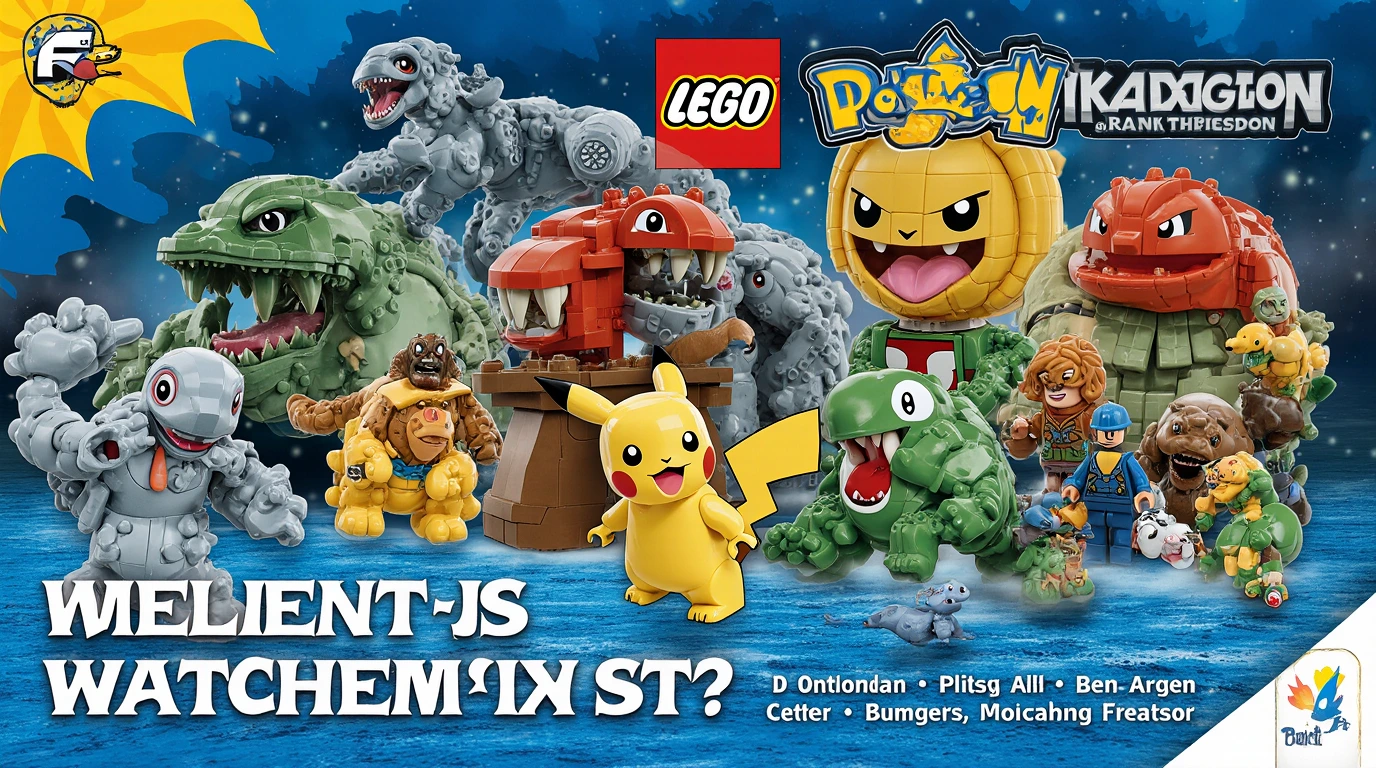
The excitement around LEGO Pokémon sets has reached a whole new level in the United States, and honestly, it’s been a long time coming. For years, fans have imagined what would happen if LEGO’s iconic building system officially merged with the Pokémon universe—and now that it’s real, the hype feels everywhere. From longtime Pokémon fans who grew up with Pikachu to adult LEGO collectors looking for premium display builds, this collaboration taps straight into nostalgia while still feeling fresh. Add in official announcements, limited preorders, and collector-grade sets with bold pricing, and it’s easy to see why LEGO Pokémon sets are suddenly dominating online searches, social media discussions, and fan forums across the U.S. This isn’t just another toy launch—it’s a pop-culture crossover moment that people have been waiting decades for.
Table of Contents
Why LEGO Pokémon Sets Are Trending in the USA Right Now
What’s driving the sudden surge in interest around LEGO Pokémon sets in the U.S. isn’t just the novelty—it’s the timing, the audience shift, and the scale of the collaboration. For a long time, Pokémon building toys lived mostly outside the LEGO ecosystem, so the official partnership instantly felt like a “finally” moment for fans. In the U.S. especially, where both LEGO and Pokémon have massive multigenerational fanbases, that announcement landed hard. Parents who grew up with Pokémon are now adults with disposable income, and they’re just as interested in display-worthy builds as kids are in play-focused sets.
Another big factor is how these sets are being positioned. Rather than launching only small, kid-friendly builds, LEGO introduced premium, collector-oriented Pokémon sets right out of the gate. That choice sparked conversations beyond toy communities—spilling into pop culture, tech, and collector spaces. In the U.S. market, where LEGO Icons and large Star Wars sets already sell well, the idea of Pokémon getting the same “serious collector” treatment made people pay attention fast.
The Role of Nostalgia and Adult Collectors
Nostalgia is doing a lot of heavy lifting here, but not in a lazy way. Pokémon nostalgia in the U.S. is deeply tied to the late ’90s and early 2000s—TV shows after school, trading cards at lunch tables, and Game Boy cartridges everywhere. LEGO tapping into that emotional memory, while offering complex builds meant for shelves rather than toy boxes, hits a very specific sweet spot. It feels less like a kids’ toy and more like a cultural artifact you can build yourself.
FAQ: Are LEGO Pokémon Sets Meant More for Adults or Kids?
Short answer: both—but with a clear lean toward adults at launch.
While future waves will likely include simpler builds for younger fans, the first LEGO Pokémon sets trending in the U.S. are clearly designed with adult collectors in mind. Higher piece counts, display bases, and premium pricing all signal that LEGO is targeting fans who see Pokémon as part of their identity, not just a phase they outgrew.
Most Talked-About LEGO Pokémon Sets in the U.S.
If you look at what Americans are actually discussing online, it’s clear that not all LEGO Pokémon sets are getting equal attention. A few specific builds are dominating conversations, mainly because they signal what kind of direction LEGO is taking with the Pokémon brand. And let’s be honest—fans aren’t just reacting to the characters themselves, but to the scale, price, and collector value attached to these sets.
At the top of the discussion is the large, display-focused Pokémon builds. These aren’t quick afternoon projects. They’re meant to sit on shelves, desks, or display cases, which immediately puts them in the same category as LEGO Star Wars Ultimate Collector Series sets. In the U.S., where adult LEGO collecting is already normalized, this approach feels intentional. People aren’t asking, “Is this for kids?” They’re asking, “Is this worth the money, and will it sell out?”
Then there are the mid-sized character builds, which are quietly just as important. Sets featuring iconic Pokémon like Pikachu and Eevee are trending because they balance nostalgia with accessibility. They’re cheaper, less intimidating to build, and appeal to casual fans who may not want a massive diorama but still want an official LEGO Pokémon piece. In many U.S. forums, these sets are described as “entry points”—the kind of purchase that pulls people into the line without commitment to the most expensive options.
Collector Pricing and Shelf Appeal
Pricing has become a major talking point in the U.S. market. Some fans see the high-end LEGO Pokémon sets as overpriced, while others argue they’re fairly positioned when compared to similar LEGO collector builds. What’s interesting is that even criticism is driving visibility. The higher the price, the more debate it sparks—and that debate keeps LEGO Pokémon sets trending across Reddit, YouTube, and toy news sites.
Shelf appeal also matters more than people admit. American collectors often compare these Pokémon builds to action figures, statues, and past LEGO display sets. If a Pokémon build looks “premium” from across the room, it tends to earn more respect, regardless of price.
FAQ: Which LEGO Pokémon Set Is Getting the Most Attention in the U.S.?
Right now, the large collector-style Pokémon builds are getting the most attention.
They generate the strongest reactions—both positive and negative—because of their size, complexity, and price. Smaller character sets are popular too, but the big builds are what keep LEGO Pokémon sets trending in U.S. discussions.
Price, Availability, and U.S. Pre-Order Demand
One of the biggest reasons LEGO Pokémon sets keep trending in the U.S. is simple: people are trying to figure out when they can get them—and how much it’s really going to cost. The moment pre-orders opened, conversations shifted from excitement to urgency. Availability windows, retailer exclusives, and potential sell-outs became just as important as the sets themselves. In the U.S. market, where limited LEGO releases often disappear fast, that sense of “buy now or regret it later” fuels a lot of online buzz.
Pricing has also become a dividing line. Smaller LEGO Pokémon sets are seen as fairly approachable, especially for casual fans or first-time buyers. But the larger collector builds? Those sparked immediate debate. Some U.S. fans compare them to premium LEGO Star Wars or Marvel sets and say the price makes sense for the piece count and display value. Others feel the Pokémon branding alone pushed prices higher than expected. Either way, disagreement keeps the keyword alive—people may argue, but they’re still searching, sharing, and watching reviews.
Retailer Competition and Stock Anxiety
Another trend driving attention is where Americans can buy these sets. LEGO’s official store is the safest option, but big U.S. retailers add a competitive layer. Fans worry about early sell-outs, backorders, or reseller markups—especially for high-demand Pokémon characters. This has created a pattern where people track restocks, sign up for alerts, and even speculate on which sets will become hardest to find six months down the line.
Interestingly, scarcity doesn’t seem accidental. Limited early stock often increases perceived value, and U.S. collectors are already treating some LEGO Pokémon sets as long-term display investments rather than casual purchases.
FAQ: Will LEGO Pokémon Sets Sell Out Quickly in the U.S.?
Yes—especially the larger and more iconic sets.
Based on past LEGO collector releases in the U.S., high-demand builds tied to major franchises often sell out during early waves. Smaller sets may restock more easily, but premium LEGO Pokémon sets are likely to face short-term shortages and resale activity.
Fan Reactions and Social Media Buzz in the U.S.
If you really want to understand why LEGO Pokémon sets keep trending, you have to look at how American fans are reacting online. The announcement didn’t just spark excitement—it triggered constant conversation. On platforms like Reddit, YouTube, TikTok, and X, reactions range from pure hype to cautious skepticism, sometimes within the same thread. And oddly enough, that split reaction is exactly what keeps the topic alive. When everyone agrees, interest fades. When people debate? Searches spike.
A lot of U.S. fans are emotionally invested. Pokémon isn’t just a franchise here; it’s tied to childhood routines, after-school TV, and trading cards stuffed into backpacks. So when LEGO entered the picture, reactions felt personal. Some fans celebrated the build quality and display focus, saying it finally treats Pokémon like a “grown-up collectible.” Others worried LEGO might be leaning too hard into adult collectors and leaving younger fans behind. Both perspectives get shared, quoted, and reacted to—fueling ongoing visibility.
Influencers, Reviews, and Viral Clips
YouTube reviewers and LEGO-focused creators in the U.S. play a huge role in shaping perception. Early hands-on impressions, even short preview clips, generate thousands of comments dissecting every detail: brick techniques, facial expressions, scale accuracy, and price justification. On TikTok, short videos showing finished builds or time-lapse assemblies tend to go viral fast, especially when paired with nostalgic audio or Pokémon music. These clips don’t just reach LEGO fans—they reach general audiences who may not have searched for LEGO Pokémon sets at all.
What’s interesting is that many viral posts aren’t promotional. They’re reaction-based: “Is this worth it?” or “I waited my whole life for this.” That authenticity resonates strongly with U.S. audiences and keeps engagement high.
FAQ: Are U.S. Fans Mostly Positive About LEGO Pokémon Sets?
Overall, yes—but with clear hesitation around price.
Most reactions praise the concept, design, and official collaboration. The main criticism centers on affordability and long-term availability. Even so, the excitement outweighs the doubt, which is why LEGO Pokémon sets continue trending across multiple U.S. platforms.
Future LEGO Pokémon Sets: Rumors, Expectations, and What U.S. Fans Want Next
Now that the first wave of LEGO Pokémon sets is officially out in the wild, the conversation in the U.S. has already shifted from what launched to what’s coming next. This is a familiar pattern with LEGO fans—once the excitement of the reveal settles, speculation fills the gap. And right now, American fans are reading between the lines, looking for clues in interviews, product design choices, and LEGO’s past franchise rollouts.
One major expectation is expansion by generation. Many fans assume LEGO will start with the most recognizable Pokémon before moving deeper into later generations. In U.S. discussions, names like Bulbasaur, Squirtle, Charmander, and eventually legendary Pokémon come up constantly. There’s also growing curiosity about environments—buildable Pokémon Centers, Gyms, or iconic locations. These would shift LEGO Pokémon sets from stand-alone displays into a connected world, something LEGO has successfully done with other major franchises.
Another topic gaining traction is accessibility. While collectors love premium builds, many U.S. parents and casual fans are hoping future waves include smaller, more affordable sets. If LEGO wants this line to last long-term in the U.S., balancing high-end collector models with kid-friendly playsets feels almost inevitable.
Could LEGO Pokémon Become a Long-Term Theme?
Most signs point to yes. LEGO rarely enters a franchise of this size for a single release. U.S. fans are already comparing this launch to how LEGO Star Wars or LEGO Marvel began—with limited early offerings that later expanded into massive, multi-year themes. If sales perform as expected, LEGO Pokémon sets could easily become a permanent category, with yearly releases and seasonal updates.
That possibility alone keeps interest high. Even people who skip the first wave are watching closely, waiting for the Pokémon they personally connect with most.
FAQ: What Pokémon Are U.S. Fans Hoping LEGO Releases Next?
The most requested Pokémon are classic starters and legendary characters.
In the U.S., fan demand heavily favors original starters, fan-favorite evolutions, and iconic legendaries. Locations like Pokémon Centers and Gyms are also highly requested, especially by fans who want more interactive builds rather than pure display models.
What This Trend Means for LEGO and Pokémon Fans in the U.S.
When you step back and look at the bigger picture, the rise of LEGO Pokémon sets in the U.S. feels less like a short-term hype cycle and more like the start of something lasting. This collaboration hits a rare overlap: a franchise nearly everyone recognizes and a building system that already has deep roots with adult collectors. That combination doesn’t come along often, and when it does, it tends to stick around. For many fans, this launch feels like LEGO finally acknowledging how central Pokémon has been to American pop culture for decades.
What’s especially interesting is how different audiences are engaging with the trend. Adult fans are analyzing build quality, long-term value, and display presence, while younger fans are drawn to the characters and the idea of building Pokémon with real LEGO bricks for the first time. That dual appeal gives LEGO flexibility. If the company plays it right—mixing premium collector sets with more affordable, play-focused builds—LEGO Pokémon could grow into a full-scale theme rather than a limited experiment.
In the U.S., trends don’t usually sustain themselves without emotional attachment, and Pokémon has that in abundance. People aren’t just buying sets; they’re reliving memories, sharing reactions online, and debating what should come next. That ongoing conversation is what keeps search interest high and demand strong.
FAQ: Are LEGO Pokémon Sets Just a Trend or a Long-Term Investment?
They’re likely more than a passing trend.
Given LEGO’s history with major franchises and the strong early response in the U.S., LEGO Pokémon sets have the potential to become a long-running theme. While not every set will gain resale value, the collaboration itself appears positioned for longevity rather than a one-off release.