Fortnite’s Current Status – February 2026: Shocking Update & Player Trends
Fortnite’s Current Status – February 2026
If you’ve found yourself wondering about Fortnite’s current status – February 2026, you’re not alone. Maybe you stopped playing a year ago. Maybe your squad slowly drifted to other games. Or maybe you’re just curious — is Fortnite still thriving, or has the hype finally cooled off?
The short answer? Fortnite is very much alive in February 2026 — but it doesn’t feel exactly the way it did during its explosive peak years. The game continues to roll out new seasonal content, host large-scale live events, and attract millions of daily players across Battle Royale, Creative, LEGO Fortnite, and competitive modes. At the same time, the community conversation feels… different. More mature. Slightly divided. And honestly, that’s part of what makes its current state so interesting.
In this breakdown, we’ll look at Fortnite’s player base, server stability, recent updates, esports activity, collaborations, and overall community sentiment in February 2026. Whether you’re thinking about reinstalling the game, tracking its competitive relevance, or just trying to understand where it stands today — this guide will give you a clear, up-to-date picture of Fortnite right now.
Table of Contents
Is Fortnite Still Popular in February 2026?
Let’s get straight to it — when people search for Fortnite’s current status – February 2026, what they’re really asking is: Is it still worth playing? Or is it coasting on nostalgia?
As of February 2026, Fortnite is still one of the most active live-service games in the world. Player counts remain in the millions daily across Battle Royale, Zero Build, Creative maps, LEGO Fortnite, and competitive modes. Now, is it hitting 2020 lockdown-era peaks? Probably not. But that’s a different conversation. The more important point is this: Fortnite hasn’t collapsed. It hasn’t faded into “legacy game” territory. It’s still culturally present — and operationally aggressive.
What’s changed is the ecosystem. Fortnite today feels less like a single battle royale and more like a platform. You log in and you’re not just choosing a match — you’re choosing an experience. And that shift, subtle as it seems, is a huge part of Fortnite’s current status in February 2026.
The Player Base: Smaller Than Peak, Still Massive
If you look at engagement trends, Fortnite’s player base has stabilized rather than exploded. That’s normal for a game entering its late lifecycle years. But stabilization doesn’t mean decline.
- Battle Royale and Zero Build remain the core pillars.
- Creative 2.0 (UEFN-powered maps) continues attracting creators.
- LEGO Fortnite and limited-time modes expand casual engagement.
- Competitive playlists maintain serious player retention.
Here’s the thing people forget: most games dream of having Fortnite’s “low” numbers. Even with natural fluctuation between seasons, it still outperforms many newer releases. And every time a major collaboration drops — Marvel, anime crossovers, music icons — player spikes return. Predictable? Yes. Effective? Also yes.
Community Energy Feels Different (And That Matters)
This is where nuance comes in.
The vibe around Fortnite in February 2026 isn’t chaotic hype anymore. It’s more segmented. Some players praise Epic’s constant innovation. Others argue the game feels oversaturated with modes and collaborations. Both sides have a point.
There’s a maturity to the community now — and maybe a little fatigue in certain corners. But fatigue doesn’t equal irrelevance. If anything, it signals longevity. People don’t debate dead games.
Is Fortnite Dying in February 2026?
No — Fortnite is not dying in February 2026. It remains actively updated, widely played, and commercially strong. However, it has transitioned from explosive growth mode to platform consolidation mode, focusing on ecosystem expansion rather than pure battle royale dominance.
And that shift? It might actually be the smarter long-term move.
Latest Updates & Seasonal Content – February 2026
If you really want to understand Fortnite’s current status – February 2026, you have to look at what’s happening inside the game right now. Not nostalgia. Not headlines. Actual, playable content.
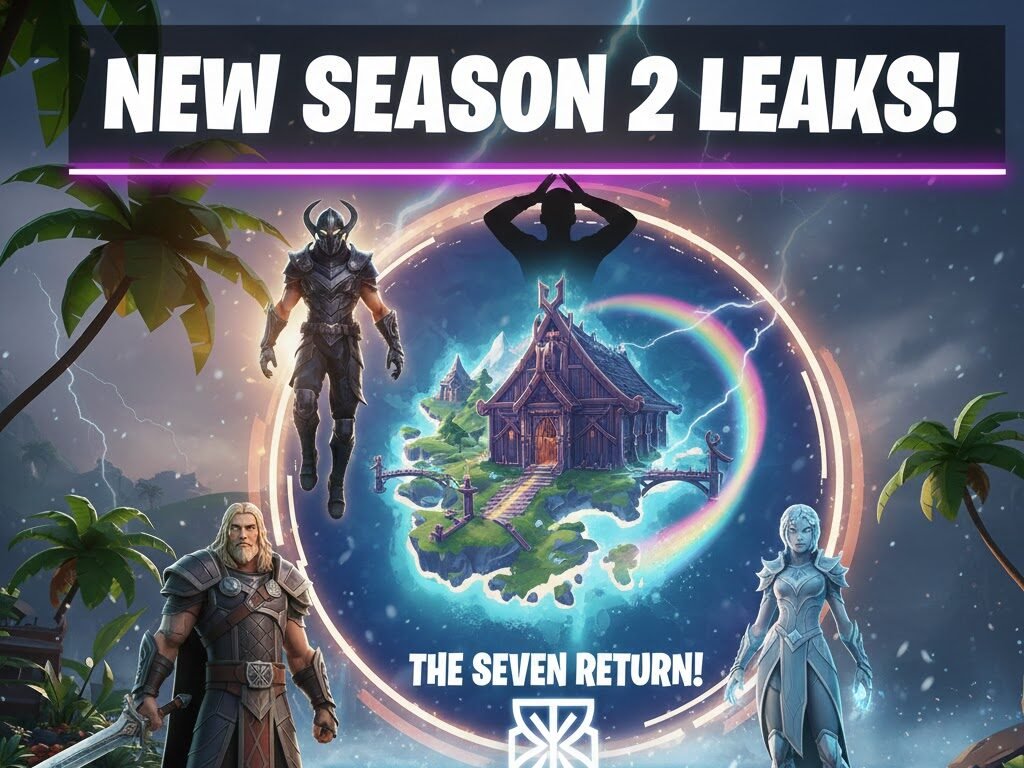
Fortnite is currently deep into its newest seasonal cycle, and that matters more than most players realize. Live-service games don’t survive on reputation — they survive on cadence. Updates. Mid-season patches. Map tweaks. Limited-time events. And in February 2026, Epic is still operating on that rhythm.
This season has leaned heavily into environmental storytelling and evolving map dynamics. Small changes week-to-week — weather shifts, POI adjustments, event teases — keep the island feeling alive. You log in thinking it’ll be “just another match,” and then something’s slightly off. A new landmark. A subtle mechanic tweak. That constant micro-evolution is part of why Fortnite’s current status remains strong: it doesn’t sit still long enough to feel stale.
Mid-Season Patches & Stability Fixes
February has already seen stability-focused updates, including hotfixes targeting crash issues and performance inconsistencies across platforms. And yes, let’s be honest — players notice performance problems instantly.
Nothing kills momentum faster than:
- Unexpected server downtime
- Frame rate drops on console
- Matchmaking errors
- Competitive playlist instability
Epic has responded quickly to these issues this month, rolling out patches designed to stabilize gameplay ahead of the next seasonal transition. That responsiveness, even when imperfect, reinforces confidence in the platform.
It’s not flawless. But it’s active. And that distinction matters.
Events & Limited-Time Engagement
February also brings themed in-game events — the kind designed to spike engagement without overhauling the entire meta. These typically include:
- Special cosmetics tied to seasonal themes
- Short-duration gameplay modifiers
- Community challenges
- XP boosts or time-limited rewards
And here’s something interesting: even players who claim they’re “burned out” often return for these micro-events. There’s a psychological pull. FOMO still works — maybe not as powerfully as it once did, but enough.
You can criticize Fortnite for leaning into collaborations and themed content. I sometimes do. But you can’t deny it keeps the game culturally synced with broader entertainment cycles.
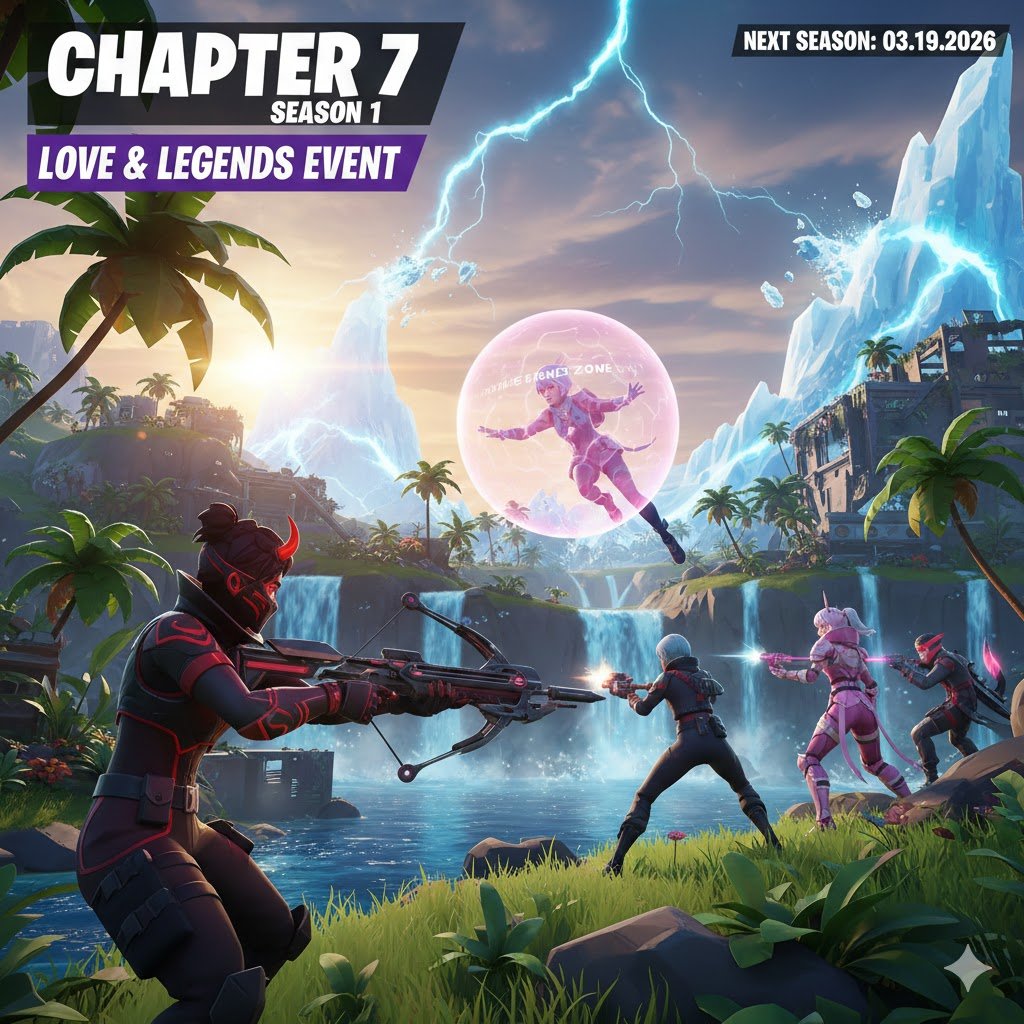
When Does the Next Season Start?
As of February 2026, the next major season launch has been slightly delayed compared to earlier expectations. While delays sometimes spark community frustration, they often signal polishing and backend adjustments — especially in a game with this many moving parts.
And realistically? A short delay rarely impacts Fortnite’s overall status. If anything, it builds anticipation.
Fortnite Competitive Scene & Esports – February 2026
Now let’s zoom out a bit. Because when people talk about Fortnite’s current status – February 2026, they’re usually thinking about public matches. But competitive play? That’s where long-term health really shows.
And here’s the honest take: Fortnite esports in 2026 isn’t louder than it used to be — but it’s more structured.
The Fortnite Championship Series (FNCS) continues to anchor the competitive ecosystem, with regional qualifiers, major prize pools, and an increasingly professionalized format. It’s no longer the chaotic “anyone can pop off and win a million” narrative from early chapters. The scene feels tighter now. More disciplined. Fewer viral Cinderella stories — more consistent elite players dominating leaderboards.
Some fans miss the unpredictability. Others prefer the stability. Both reactions are valid.
FNCS & Tournament Ecosystem
As of February 2026, Fortnite’s competitive calendar includes:
- Ongoing FNCS regional circuits
- Cash Cups and performance-based tournaments
- Creator-hosted competitive events
- Third-party esports integrations (including global esports festivals)
The prize pools remain significant, and more importantly, the infrastructure is intact. That’s critical. When a game’s competitive framework collapses, you feel it immediately. Fortnite hasn’t hit that point — not even close.
However, the barrier to entry is undeniably higher now. The mechanical skill ceiling in Zero Build and standard Battle Royale has climbed. If you stopped grinding in 2023 or 2024, jumping back into competitive playlists in February 2026 might feel… brutal.
Let’s be honest — you’ll probably get humbled fast.
Has Competitive Interest Dropped?
Here’s where it gets nuanced.
Viewership fluctuates. It spikes during finals and dips during qualifiers. Social media hype isn’t as explosive as early World Cup days. But that doesn’t equal collapse. It signals normalization.
Fortnite esports has transitioned from “cultural phenomenon” to “established esport.” That shift feels less glamorous — but often more sustainable.
And sustainability is the key word when assessing Fortnite’s current status in February 2026.
Is Fortnite Still a Viable Competitive Game in 2026?
Yes — Fortnite remains a viable competitive title in February 2026, supported by structured FNCS events, consistent prize pools, and an active high-skill player base. While viewership volatility exists, the competitive infrastructure remains stable and globally active.
If you’re aiming for pro-level play, the path still exists. It’s just narrower. And far more demanding than it used to be.
Community Sentiment & Player Feedback – February 2026
Numbers tell one story. The community tells another.
To really understand Fortnite’s current status – February 2026, you have to step into comment sections, Discord servers, Reddit threads, and post-match voice chat. That’s where the emotional temperature shows up — and it’s not one-dimensional.
Right now, the community feels split — not fractured, just layered. Some players praise Fortnite for constantly reinventing itself. Others argue the game has drifted too far from its original identity. And then there’s a third group — maybe the largest — who log in daily without posting about it at all.
That silent majority? They’re part of the story too.
What Players Are Praising
Across social channels and community forums, common positive themes include:
- Frequent content updates
- Creative mode expansion (UEFN tools)
- Crossovers with major entertainment brands
- Zero Build as a long-term alternative to high-skill building lobbies
- Ongoing competitive support
There’s a consistent appreciation for the fact that Fortnite doesn’t feel abandoned. Even critics admit that Epic rarely lets a season go stagnant. And in a live-service landscape where games quietly fade, that consistency builds trust.
You can sense it in player conversations — even when they complain, they expect fixes. That expectation alone says something about Fortnite’s stability in February 2026.
Where Frustration Shows Up
Now let’s talk about the friction.
Some recurring pain points include:
- Perceived content overload
- Balance concerns after updates
- Performance inconsistencies on certain platforms
- Collaboration fatigue (“too many skins, not enough core changes”)
- Skill gap intimidation in competitive playlists
There’s also a subtle nostalgia current running through discussions. Players sometimes compare today’s Fortnite to Chapter 1 or earlier golden eras. And nostalgia is tricky — it rarely reflects pure reality. It reflects emotion.
Actually, scratch that — it reflects identity. People miss who they were when they played back then. That’s not something a patch can fix.
Is the Community Shrinking?
Not in any dramatic sense. Engagement fluctuates seasonally, but Fortnite still generates massive conversation across platforms. What’s changed is tone — less explosive hype, more critical analysis.
And weirdly? That can be healthy.
Games that survive long-term often move from chaotic excitement to stable discourse. They stop being trends and start being ecosystems. Fortnite in February 2026 feels closer to ecosystem status than viral phenomenon status.
Is Fortnite’s Community Still Active in February 2026?
Yes — Fortnite’s community remains highly active in February 2026, with strong engagement across social platforms, competitive circuits, and in-game events. While sentiment is more nuanced than in earlier peak years, the player base continues to participate, debate, and invest in the game’s evolution.
And as long as people are debating a game this intensely, it’s not irrelevant.
Platform Availability & Technical Stability – February 2026
Here’s a piece people don’t always talk about when analyzing Fortnite’s current status – February 2026: accessibility.
Not hype. Not skins. Not tournaments. Accessibility.
Because a game can have millions of players — but if it’s unstable, region-locked, or inconsistent across platforms, momentum fades fast. And in February 2026, Fortnite is largely stable… but not without friction.
On PC, PlayStation, and Xbox, performance remains relatively solid following recent hotfixes. Epic has addressed crash reports and matchmaking hiccups through mid-season patches, especially targeting performance spikes during high-traffic events. Are there occasional outages? Of course. It’s Fortnite. Major updates almost always come with short downtime windows.
But here’s the key difference: those downtimes are expected. Scheduled. Communicated. That predictability keeps player trust intact. Fortnite’s current status – February 2026.
Mobile & Distribution Realities
Now let’s talk about mobile — because that’s where things get complicated.
Fortnite’s availability on iOS remains affected by long-standing distribution disputes. Android players can access the game via the Epic Games app and other supported channels, but it’s not as frictionless as traditional app store downloads.
Does this hurt Fortnite’s current status in February 2026?
Somewhat — especially in regions where mobile gaming dominates. But Fortnite has compensated by strengthening console and PC ecosystems. Cross-play continues to unify the player base, allowing squads to mix platforms without major barriers.
Still, mobile accessibility remains one of the few structural limitations in Fortnite’s otherwise dominant platform presence. Fortnite’s current status – February 2026.
Server Stability & Downtime Patterns
Server status in February 2026 is generally stable, with downtime mostly tied to:
- Major patch rollouts
- Seasonal transitions
- Mid-season content updates
- Live event integrations
Unlike early chaotic seasons years ago, infrastructure now feels more controlled. You don’t log in fearing random instability daily. That alone signals maturity.
Although — and let’s be real — when servers go down unexpectedly during peak hours, social media lights up instantly. The community is less patient than it used to be. Fortnite’s current status – February 2026.
Are Fortnite Servers Stable in February 2026?
Yes — Fortnite servers are generally stable in February 2026, with downtime primarily scheduled around major updates and seasonal transitions. While occasional disruptions occur, Epic continues to maintain consistent platform support across PC, console, and supported mobile devices.
And stability might not be flashy… but it’s foundational.
Final Verdict: Fortnite’s Current Status – February 2026
So where does that leave us?
If someone asked me bluntly about Fortnite’s current status – February 2026, I wouldn’t say it’s “at its peak.” I also wouldn’t say it’s declining. That binary framing doesn’t really fit anymore. Fortnite isn’t in its explosive-growth era — it’s in its platform era.
And that shift matters.
Fortnite today feels less like a trending game and more like digital infrastructure. Battle Royale still drives the core experience. Zero Build expanded accessibility. Creative and UEFN transformed players into developers. Competitive circuits remain structured. Crossovers keep it culturally visible. The ecosystem is layered now — sometimes messy, sometimes overloaded — but undeniably active.
Is the hype quieter than 2018? Yes.
Is the player base still massive compared to most live-service titles? Also yes.
Actually… here’s the more honest framing: Fortnite in February 2026 feels stable. And stability in live-service gaming is underrated. Explosive games burn bright and fade. Stable games evolve. Fortnite’s current status – February 2026.
Growth, Plateau, or Reinvention?
If we break it down clearly:
- Player Base: Stabilized at high volume
- Content Updates: Consistent and frequent
- Competitive Scene: Structured and ongoing
- Community Sentiment: Mixed but engaged
- Platform Support: Strong with minor distribution friction
That doesn’t describe a dying game. It describes a mature one.
There’s still debate about content overload. Some players feel collaboration fatigue. Others love the constant refresh cycle. The skill ceiling continues to intimidate returning players. But none of those signals point toward collapse — they point toward evolution.
And evolution is uncomfortable. Especially for a game that once felt lightning-in-a-bottle chaotic.
Is Fortnite Still Worth Playing in February 2026?
Yes — Fortnite is still worth playing in February 2026, particularly if you enjoy live-service ecosystems, evolving seasonal content, competitive play, or cross-media collaborations. While it no longer operates in peak-hype mode, it remains one of the most active and consistently updated multiplayer platforms in gaming.
If you stopped playing years ago, coming back might feel overwhelming at first. Different modes. New mechanics. Updated maps. But underneath it all, the core loop still works: drop in, survive, adapt. Fortnite’s current status – February 2026.
And maybe that’s the real takeaway.
Fortnite didn’t disappear. It didn’t stagnate. It transformed — gradually, sometimes awkwardly — into something bigger than a single battle royale season cycle.
Whether that transformation excites you or exhausts you… well, that probably depends on what you want from games in 2026. Fortnite’s current status – February 2026.